
Introduction
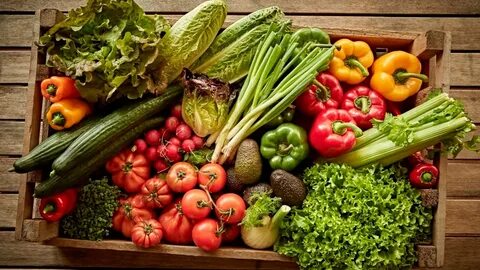
Fresh produce—fruits and vegetables in their most natural state—forms the cornerstone of a healthy diet and sustainable living. In an era where processed foods dominate supermarket aisles and fast food options are abundant, the value of consuming fresh produce cannot be overstated. Whether it’s a crisp apple, a bunch of green kale, or a juicy tomato plucked straight from the vine, fresh produce offers an unparalleled combination of flavor, nutrition, and health benefits.
This article delves deep into the world of fresh produce, exploring its benefits, supply chain, preservation techniques, challenges, and its evolving role in modern consumer culture.
1. What is Fresh Produce?
Fresh produce refers to fruits and vegetables that have not been processed or preserved in any significant way other than simple cleaning or trimming. It includes:
- Fruits: Apples, bananas, berries, citrus fruits, grapes, melons, peaches, plums, etc.
- Vegetables: Leafy greens, carrots, tomatoes, potatoes, onions, cucumbers, squash, peppers, etc.
These are perishable items that are often consumed raw, cooked, or minimally processed and are known for their high water content, essential vitamins, and minerals.
2. Nutritional Value of Fresh Produce
Fresh produce is a rich source of essential nutrients that support every aspect of health, including:
2.1 Vitamins & Minerals
- Vitamin C from citrus fruits helps in immunity and skin health.
- Vitamin A from carrots and sweet potatoes supports vision and skin.
- Potassium from bananas and potatoes maintains heart and muscle function.
- Folate from spinach and avocados aids in cell function and tissue growth.
2.2 Fiber
Dietary fiber, found in abundance in fruits and vegetables, is crucial for digestive health, maintaining a healthy weight, and lowering the risk of chronic diseases like heart disease and type 2 diabetes.
2.3 Antioxidants
Compounds such as beta-carotene, lycopene, and flavonoids fight oxidative stress and inflammation, potentially reducing cancer risks.
3. Health Benefits of Fresh Produce
3.1 Weight Management
Low in calories and high in fiber, fresh produce promotes satiety and reduces overall calorie intake, aiding in healthy weight management.
3.2 Disease Prevention
Regular consumption of fresh produce is linked to a lower risk of chronic diseases such as heart disease, hypertension, stroke, diabetes, and certain cancers.
3.3 Improved Mental Health
Studies show a correlation between fruit and vegetable intake and improved mood, reduced stress, and lower rates of depression.
3.4 Better Skin and Hair
The vitamins, minerals, and hydration provided by fresh produce contribute to glowing skin and healthy hair.
4. Sourcing Fresh Produce
4.1 Local Farms
Buying locally grown produce supports the community, reduces transportation emissions, and often means fresher goods.
4.2 Organic Farms
Organic fresh produce is grown without synthetic pesticides, GMOs, or chemical fertilizers. Though more expensive, many consumers prefer it for health and environmental reasons.
4.3 Farmers’ Markets
These offer direct-to-consumer sales, often showcasing seasonal, local, and organic produce with traceable origins.
4.4 Grocery Stores and Supermarkets
Most consumers obtain fresh produce from large retail chains, which source from national and international suppliers.
5. Seasonal vs. Non-Seasonal Produce
5.1 Seasonal Produce
Eating seasonally means consuming fruits and vegetables at the peak of their natural harvesting time. These tend to be fresher, more flavorful, and more nutritious.
5.2 Non-Seasonal Produce
Through global sourcing and advanced agricultural practices, consumers can access out-of-season produce year-round. However, this may come at the cost of flavor, freshness, and carbon footprint.
6. Preservation and Storage Techniques
Since fresh produce is highly perishable, proper storage is crucial.
6.1 Refrigeration
Most produce benefits from refrigeration, which slows down enzymatic activity and microbial growth.
6.2 Root Cellars
Traditional methods like root cellaring are still used in some homes and farms to store items like potatoes, carrots, and onions.
6.3 Controlled Atmosphere Storage
Used in commercial settings, this technology controls oxygen, carbon dioxide, and humidity levels to extend shelf life.
6.4 Freezing and Blanching
Freezing after blanching helps preserve many vegetables without significant nutrient loss.
7. Challenges in the Fresh Produce Industry
7.1 Perishability
Short shelf life leads to high levels of food waste. Retailers and consumers must act quickly to prevent spoilage.
7.2 Supply Chain Complexity
Transporting fresh produce from farms to markets requires cold chain logistics, timely handling, and efficient distribution.
7.3 Pesticide Residues
Non-organic produce may contain residues from synthetic pesticides, which can raise health concerns.
7.4 Climate Change
Unpredictable weather patterns, droughts, and floods impact crop yields and availability.
7.5 Labor Shortages
Agricultural labor shortages affect planting, harvesting, and processing efficiency.
8. Innovations in Fresh Produce
8.1 Vertical Farming
Indoor farming using stacked layers reduces land use and offers year-round cultivation under controlled conditions.
8.2 Hydroponics and Aquaponics
Soilless cultivation methods use water-based systems to grow produce sustainably with fewer resources.
8.3 Smart Packaging
Technology-enabled packaging monitors freshness, temperature, and spoilage indicators, extending shelf life and reducing waste.
8.4 Blockchain for Traceability
Blockchain is being used to track produce from farm to fork, improving transparency, safety, and consumer trust.
9. Environmental Impact of Fresh Produce
9.1 Carbon Footprint
Locally grown and seasonal produce tends to have a lower carbon footprint compared to produce imported over long distances.
9.2 Water Use
Fruits and vegetables require significant water for cultivation. Innovations in irrigation and drought-resistant crops are helping reduce water usage.
9.3 Packaging Waste
Reducing plastic packaging in produce distribution is crucial to minimizing environmental pollution.
10. Economic Importance of Fresh Produce
10.1 Agricultural Employment
Millions of people globally are employed in the cultivation, harvesting, packaging, and distribution of fresh produce.
10.2 Export Revenue
Countries like Mexico, Chile, the Netherlands, and the U.S. are major exporters of fresh produce, contributing significantly to GDP.
10.3 Food Security
Encouraging local production of fruits and vegetables helps communities become self-reliant and nutritionally secure.
11. Fresh Produce and Culinary Culture
11.1 Regional Flavors
Fresh produce reflects regional cuisines—Mediterranean salads, Asian stir-fries, Latin American fruit bowls, etc.
11.2 Farm-to-Table Movement
Chefs and restaurants emphasize sourcing directly from farms, offering seasonal menus with fresh ingredients.
11.3 Juicing and Smoothies
Fresh produce is the foundation of healthy beverage trends such as green juices, detox smoothies, and fruit shakes.
11.4 Raw Food Movement
Raw diets emphasize uncooked produce to preserve enzymes and natural nutrition.
12. Consumer Trends and Preferences
12.1 Organic and Non-GMO
Consumers increasingly seek produce that is free from genetic modification and grown without synthetic chemicals.
12.2 Subscription Boxes
Farm-to-door services deliver curated boxes of fresh produce weekly, promoting variety and convenience.
12.3 Online Grocery Shopping
The rise of e-commerce has expanded access to fresh produce with home delivery options.
12.4 Exotic and Rare Varieties
Consumers are exploring heirloom, exotic, and specialty produce like purple carrots, dragon fruit, and Romanesco broccoli.
13. Government Regulations and Safety
13.1 Food Safety Standards
Agencies such as the FDA (U.S.), FSSAI (India), and EFSA (EU) regulate the safety of fresh produce, monitoring pesticide levels and hygiene.
13.2 Organic Certification
Certified organic labels ensure compliance with standards related to soil quality, pest control, and farming methods.
13.3 Labeling and Traceability
Labels inform consumers about country of origin, variety, and nutritional content, supporting informed decisions.
14. Tips for Choosing and Storing Fresh Produce
14.1 At Purchase
- Choose firm, vibrant fruits and vegetables without bruises.
- Avoid overly ripe or damaged items unless used immediately.
- Shop local and seasonal when possible.
14.2 At Home
- Keep leafy greens in a paper towel-lined container in the fridge.
- Store onions and garlic in a cool, dry place.
- Don’t wash berries until ready to eat to prevent mold.
15. Growing Your Own Fresh Produce
15.1 Home Gardening
Even small spaces like balconies or patios can support herb gardens, tomatoes, and leafy greens.
15.2 Community Gardens
Shared urban spaces for gardening promote sustainability, education, and community bonding.
15.3 Indoor Growing Kits
Smart indoor gardens with LED lights and hydroponic systems allow for year-round growing of fresh produce indoors.