
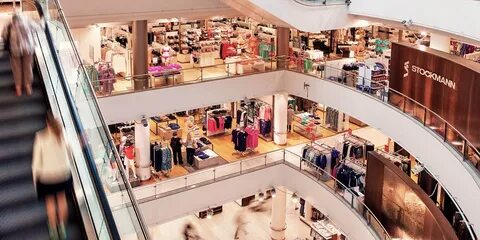
Introduction
In the digital age, where online shopping has gained immense popularity, the relevance and appeal of physical stores, especially malls, remain significant. Malls have evolved from being mere shopping venues into multifaceted lifestyle hubs that cater to diverse consumer needs—retail, entertainment, dining, and community engagement. Despite the convenience of e-commerce, physical stores continue to offer experiences that digital platforms cannot replicate. This article delves deep into the concept of malls as physical stores, exploring their evolution, architecture, societal impact, current challenges, and their future.
1. The Evolution of Physical Stores and Malls
1.1 Early Beginnings of Trade and Retail
Physical stores are as old as commerce itself. In ancient civilizations like Egypt, Greece, and Rome, marketplaces such as the Greek agora and Roman forum served as central locations for trade. Over time, these informal markets evolved into more structured bazaars and later into modern retail outlets.
1.2 The Rise of Department Stores
The 19th century marked a significant shift in retail with the advent of department stores. Brands like Macy’s in the U.S., Harrods in the UK, and Galeries Lafayette in France revolutionized shopping by offering multiple product categories under one roof, providing a luxurious shopping experience.
1.3 The Birth of Malls
The concept of malls was born in the mid-20th century. Victor Gruen, often referred to as the father of the shopping mall, envisioned a central space that combined retail with community and cultural activities. The first enclosed mall, Southdale Center in Minnesota (1956), set the template for future mall developments around the world.
2. The Structure and Features of Modern Malls
2.1 Layout and Design
Modern malls are architectural marvels that combine aesthetics, function, and consumer psychology. They are strategically designed to maximize foot traffic and enhance customer experience through elements like anchor stores, food courts, central atriums, and entertainment zones.
2.2 Anchor Stores
These are major retailers (e.g., department stores or big-box chains) that draw large crowds and help drive traffic to smaller outlets. Anchor stores are usually placed at ends or corners to encourage movement throughout the mall.
2.3 Entertainment and Dining
Malls are no longer just about shopping. They incorporate cinemas, amusement parks, arcades, restaurants, and cafes to make visits more engaging and family-friendly.
2.4 Thematic Malls
Some malls are built around specific themes or experiences. Examples include The Venetian in Las Vegas, with gondola rides and Italian architecture, and the Mall of the Emirates in Dubai, which features an indoor ski resort.
3. Importance of Physical Stores and Malls
3.1 Tangible Shopping Experience
The biggest strength of physical stores is the ability to touch, feel, and try products before buying. This is especially important for apparel, electronics, and luxury goods.
3.2 Instant Gratification
Unlike online orders, physical stores provide immediate product availability, eliminating the wait for shipping and the risk of delivery issues.
3.3 Customer Service
In-store staff can offer personalized assistance, product demonstrations, and real-time problem resolution, enhancing customer satisfaction.
3.4 Social and Community Hub
Malls often serve as meeting points for friends and family. They host events, exhibitions, and community programs, making them integral to urban social life.
4. Economic Impact
4.1 Job Creation
Malls generate employment across various levels—from sales associates and security staff to management and maintenance personnel.
4.2 Boost to Local Economy
They act as economic catalysts, attracting investment, encouraging tourism, and increasing the demand for ancillary services like transport and hospitality.
4.3 Small Business Platform
Malls provide space for local entrepreneurs to showcase and sell their products, helping small businesses thrive alongside big brands.
5. Technological Integration in Malls
5.1 Smart Store Features
Many modern malls use smart technologies such as interactive kiosks, augmented reality fitting rooms, and automated checkouts to improve efficiency and user experience.
5.2 Mobile Integration
Apps and mobile loyalty programs help customers navigate malls, access offers, and receive personalized promotions, enhancing engagement.
5.3 Omnichannel Experience
Physical retailers are integrating online channels with in-store shopping—offering services like “buy online, pick up in store” (BOPIS) and seamless return policies.
6. Challenges Faced by Physical Stores and Malls
6.1 E-Commerce Boom
Online shopping platforms like Amazon have transformed consumer habits. The convenience, variety, and pricing of e-commerce pose a major challenge to physical retail.
6.2 Rising Operational Costs
Rent, utilities, salaries, and maintenance add to the operating expenses of malls. These costs are especially burdensome for small or underperforming stores.
6.3 Changing Consumer Behavior
Modern consumers prioritize convenience, sustainability, and personalization. Malls must adapt quickly to meet these evolving demands.
6.4 Health Crises and Lockdowns
The COVID-19 pandemic highlighted the vulnerability of physical retail. Lockdowns forced many malls to shut down temporarily, pushing businesses toward digital alternatives.
7. Malls as Experiential Destinations
7.1 Creating Memorable Experiences
Malls are increasingly focusing on offering unique, Instagram-worthy experiences—from themed pop-up stores to immersive exhibitions.
7.2 Focus on Lifestyle
Modern malls cater to holistic lifestyles by including wellness centers, fitness clubs, spas, coworking spaces, and meditation lounges.
7.3 Events and Entertainment
Live concerts, fashion shows, cooking demos, and seasonal festivals draw crowds and enhance dwell time, encouraging more spending.
8. Sustainable Mall Practices
8.1 Green Architecture
Malls are adopting energy-efficient building designs, solar panels, and LED lighting to reduce carbon footprints.
8.2 Waste Management
Initiatives like recycling stations, zero-waste food courts, and composting programs are being implemented.
8.3 Ethical Brands and Conscious Consumers
Many malls now feature sustainable brands and promote conscious consumerism to attract eco-aware customers.
9. The Psychology of Mall Shopping
9.1 Atmospherics and Ambience
Music, lighting, scent, and layout are carefully curated to influence mood and buying decisions.
9.2 Retail Therapy
Shopping is seen as a stress-relieving activity. The ambiance of malls, coupled with the joy of browsing, contributes to emotional well-being.
9.3 Brand Identity and Store Image
Physical presence strengthens a brand’s identity, offering sensory engagement that builds loyalty and trust.
10. Global Mall Trends
10.1 Mega Malls
Countries like the UAE, China, and the U.S. are home to mega malls like Dubai Mall, New South China Mall, and Mall of America, boasting millions of square feet in retail space.
10.2 Mixed-Use Developments
Modern malls are part of larger ecosystems that include residential complexes, hotels, and office spaces, creating self-contained urban centers.
10.3 Luxury Retail and Designer Outlets
Upscale malls target high-net-worth individuals by offering premium brands, concierge services, and private lounges.