
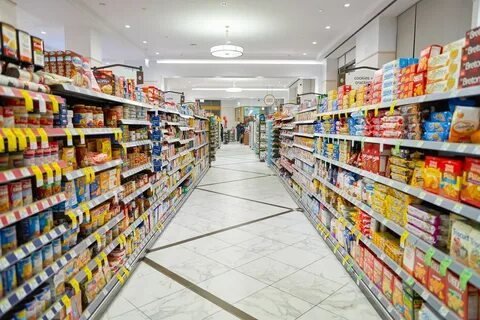
1. Introduction to Supermarkets
A supermarket is a large-scale, self-service retail establishment that offers a wide variety of goods under one roof, primarily food and household products. Supermarkets revolutionized the way people shop by providing convenience, competitive pricing, and the ability to purchase multiple types of items in a single visit.
Unlike traditional smaller grocery stores, supermarkets operate on economies of scale, offer extensive product ranges, and are often organized in departments to simplify shopping for consumers. From fresh produce and bakery items to household detergents and personal care products, supermarkets are an essential component of the modern retail landscape.
2. History and Evolution of Supermarkets
Early Retail and Grocery Models
Before the rise of supermarkets, people primarily relied on small local stores and markets. These stores were often specialized—there were separate shops for meat, vegetables, dairy, and dry goods. Shopping was time-consuming, prices varied, and credit was often extended by the shopkeeper.
Birth of the Supermarket
The concept of a supermarket originated in the United States in the early 20th century. The first true self-service store is often credited to Clarence Saunders, who opened Piggly Wiggly in Memphis, Tennessee in 1916. His model allowed customers to walk through aisles and select their items before paying at the checkout—an innovation that revolutionized retail.
In 1930, Michael J. Cullen opened King Kullen, widely recognized as the first modern supermarket. It combined low prices with high-volume sales in large stores located outside central business districts to reduce rent costs.
Global Expansion
The supermarket concept quickly spread to other countries:
- In the UK, Sainsbury’s and Tesco became major players.
- France saw the rise of Carrefour, which later pioneered the hypermarket concept.
- In India, supermarkets began growing in the early 2000s, transitioning from traditional “kirana” shops to chains like Big Bazaar and Reliance Fresh.
3. Structure and Layout of a Supermarket
A typical supermarket is organized to facilitate a smooth shopping experience. The layout influences customer behavior and maximizes sales through strategic product placement.
Common Sections in a Supermarket
- Produce Section
Fresh fruits and vegetables are usually placed near the entrance to create a healthy and fresh impression. - Bakery
Located near the entrance or corner, the aroma draws customers in. Items include bread, pastries, and cakes. - Meat and Seafood
Refrigerated sections with various cuts of meat, poultry, and fish. - Dairy
Milk, cheese, butter, yogurt, and similar products are often placed at the back to draw customers through the store. - Frozen Foods
Ready-to-eat meals, frozen vegetables, meats, and ice creams. - Packaged Goods & Dry Groceries
Cereals, snacks, rice, pulses, pasta, and canned food. - Non-Food Items
Cleaning supplies, personal hygiene products, pet food, kitchenware, and more. - Beverages
Soft drinks, juices, coffee, tea, alcoholic drinks (depending on local laws). - Checkout Counters
Usually placed at the front of the store and often feature impulse buy items like chocolates and magazines.
4. Business Model of Supermarkets
Supermarkets operate on thin profit margins but rely heavily on volume sales. Their business model is based on several core principles:
1. Economies of Scale
By purchasing large volumes directly from producers or wholesalers, supermarkets receive lower prices, which are then passed on to customers.
2. Private Labels
Many supermarkets introduce their own brands (private labels) for food and non-food items. These products often provide higher margins and increase customer loyalty.
3. Data Analytics
With loyalty programs and point-of-sale systems, supermarkets gather data on consumer behavior, helping them forecast demand, manage inventory, and run targeted marketing campaigns.
4. Promotions and Discounts
Weekly flyers, “Buy One Get One Free” (BOGO) offers, and festive discounts attract customers and increase basket size.
5. Supermarkets and Supply Chain
Supermarkets are integral to a highly organized and efficient supply chain.
Procurement
Goods are sourced from:
- Local farmers
- Domestic manufacturers
- International suppliers
They negotiate contracts to ensure steady supply and price consistency.
Warehousing
Large supermarkets maintain regional warehouses for storing goods, which are distributed to individual stores as needed.
Inventory Management
Modern inventory systems use real-time data and automated systems to track stock levels and replenish shelves efficiently.
6. Supermarkets and Technology
Technology plays a critical role in the operations and customer service of supermarkets.
Point of Sale (POS) Systems
Modern cash registers track inventory, calculate taxes, apply discounts, and accept various payment methods.
Self-Checkout
Many supermarkets have introduced self-checkout kiosks, reducing labor costs and speeding up the process for customers.
E-commerce and Delivery
Online ordering with home delivery or store pick-up options (click and collect) has become increasingly common, especially post-COVID-19.
Smart Shelves and AI
Some advanced supermarkets use smart shelves to monitor product availability and AI-driven systems to suggest promotions based on buying behavior.
7. Role of Supermarkets in the Economy
Supermarkets have a significant impact on the global economy:
- Employment Generation
Supermarkets employ millions worldwide—from cashiers and shelf-stockers to managers and logistics personnel. - Supporting Agriculture
Supermarkets provide a stable market for farmers and suppliers, especially through long-term contracts. - Urban Development
Large supermarkets often anchor shopping complexes and boost local commerce. - Standardization and Quality
They help standardize food safety and product quality due to regulations and internal protocols.
8. Environmental and Social Impact
While supermarkets provide many benefits, they also pose challenges.
Food Waste
Due to overstocking, expiration, and aesthetic standards, significant quantities of food are wasted.
Packaging Waste
The extensive use of plastic and non-biodegradable materials contributes to environmental degradation.
Impact on Small Retailers
Supermarkets can negatively affect small, local stores by undercutting prices and drawing away customers.
Sustainability Initiatives
Many supermarket chains are now adopting sustainable practices:
- Selling “ugly” produce
- Reducing single-use plastics
- Supporting local sourcing
- Installing solar panels and energy-efficient lighting
9. Popular Supermarket Chains Worldwide
United States
- Walmart
The world’s largest supermarket chain, known for its low prices and vast product range. - Kroger
A major player with numerous subsidiary brands across the US. - Costco
Operates on a membership model and focuses on bulk sales.
United Kingdom
- Tesco
The largest UK supermarket chain with global operations. - Sainsbury’s, Asda, and Morrisons
Other leading players in the UK supermarket industry.
Europe
- Carrefour (France)
One of the pioneers of the hypermarket model. - Aldi and Lidl (Germany)
Discount chains that offer limited selections but highly competitive prices.
India
- Big Bazaar
Among the earliest chains to introduce modern supermarket formats. - Reliance Fresh, DMart, Spencer’s
Fast-growing supermarket chains serving urban and suburban markets.
Other Countries
- Coles and Woolworths (Australia)
- Loblaws and Sobeys (Canada)
- AEON and Seiyu (Japan)
10. Supermarket Trends and Future Outlook
1. Online Supermarkets & Quick Commerce
Apps and websites now allow customers to order groceries online with delivery in minutes to hours. Startups like Blinkit and Instacart have changed shopping habits.
2. Automated Stores
Amazon Go introduced cashier-less stores using sensors and AI, showing a glimpse of the future.
3. Localization of Products
Supermarkets are increasingly adapting to regional tastes and preferences by sourcing and stocking local brands.
4. Focus on Health and Wellness
Rising health awareness has led supermarkets to introduce organic products, gluten-free options, and plant-based alternatives.
5. Omnichannel Retailing
Customers expect a seamless experience across in-store, mobile, and online platforms. Integration of digital loyalty programs, real-time stock visibility, and AI-powered chatbots is becoming common.
11. Challenges Facing Supermarkets
- Rising Operational Costs: Rent, utilities, labor, and logistics can strain profitability.
- Supply Chain Disruptions: Global crises, such as pandemics or wars, can impact inventory availability.
- Consumer Shifts: Preferences are shifting toward sustainability and local buying, affecting traditional models.
- Competition from Online Retailers: E-commerce giants like Amazon are expanding into groceries.
12. Conclusion
Supermarkets are more than just places to buy groceries—they are complex, evolving entities that reflect society’s economic, cultural, and technological changes. From their humble beginnings in the early 20th century to becoming global retail powerhouses, supermarkets have changed the way people shop, eat, and live.
As the world becomes more digital and sustainability-conscious, supermarkets must continue to innovate and adapt. Their role in shaping consumer behavior, supporting agriculture, and driving urban development ensures that supermarkets will remain vital to modern life, albeit in more agile and responsive forms.